How to Choose a Moisturiser for Your Skin Type (Without Wasting Money)
 Ayyan Shahid
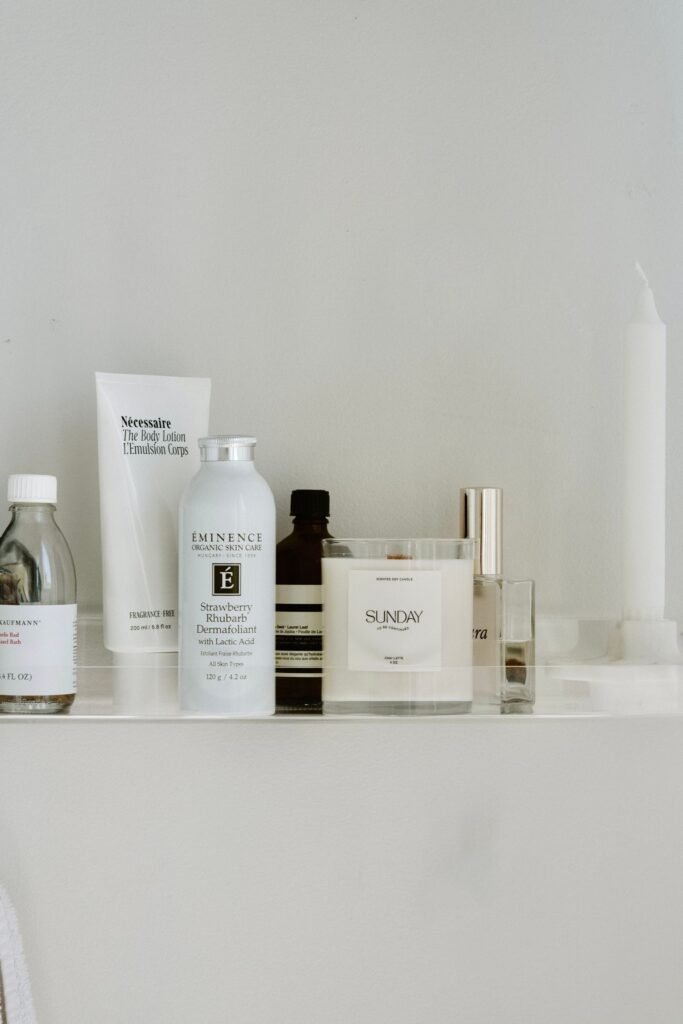
There is a particular shelf in most bathrooms that tells a story. Mine had four moisturisers on it at one point: a gel that felt lovely in June and useless by November, a thick cream that made my forehead shine by lunchtime, a fancy little jar that cost more per gram than good cheese, and a plain white tub I'd bought in a hurry because my cheeks were stinging. Only the cheap tub actually suited my skin. The other three were not bad products. They were just wrong for me, and I'd chosen every one of them by smell, packaging or a promise on the front of the box.
That shelf is why this guide exists. Learning how to choose a moisturiser isn't really about brands. It is about understanding what a moisturiser is built to do, matching its texture to the way your skin behaves, and ignoring the marketing language that's designed to make a £6 cream sound like a £60 one. Once you know the basics, you can walk into any shop, read any label, and make a sensible decision in about two minutes.
If you're building a routine from scratch, this guide sits happily alongside our skincare routine for beginners article, which covers where moisturiser fits in the order of things. Here, we are going deeper on the product itself: what's in the pot, why textures differ so much, and how to tell a good match from an expensive mistake before your money leaves your hand.
What a moisturiser actually does
Here's the bit nobody tells you clearly: a moisturiser does not really "add moisture" to your skin the way a sponge soaks up water. Your skin's water comes from deeper layers and from the air around you, and it constantly escapes through the surface. Dermatologists call that escape transepidermal water loss, which is a grand name for a simple problem. Skin that loses water faster than it can hold onto it feels tight, looks dull, flakes at the edges and gets cross about almost everything you put on it.
A moisturiser's real job is managing that water. Every formula you've ever used does the job with some mixture of three kinds of ingredients, and once you can spot them, labels stop being a mystery. This is the single most useful thing in the whole article, so let's take it slowly.
Job one: humectants pull water in
Humectants are the water-grabbers. They attract moisture and hold it in the upper layers of the skin, a bit like the way sugar in an open packet goes sticky on a humid day. Glycerin is the famous one, and it's famous for a reason: it is cheap, it's gentle, it works, and it's been used in skin creams for generations. Hyaluronic acid is the fashionable one, sold in serums that cost ten times as much, and it is genuinely good at holding water, though it's not magic and it doesn't outperform a well-made glycerin formula by nearly as much as the price gap suggests.
Other humectants you will see on labels include urea (brilliant for rough, flaky patches, and far less alarming than it sounds), propylene glycol, panthenol, aloe, and simple sugars like sorbitol. If your skin feels thirsty and tight rather than flaky and rough, a formula rich in humectants is usually what it's asking for.
One small catch: humectants work best when there's water around to grab and something over the top to stop it escaping again. In very dry air, a humectant-heavy gel used alone can actually leave skin feeling tighter after an hour, because it pulls water up from deeper layers and then lets it evaporate. That is not a reason to avoid them. It's a reason they rarely work alone, which brings us to job two.
Job two: emollients smooth and soften
Emollients fill in the gaps. Healthy skin cells are often compared to bricks in a wall, sitting in neat rows. Dry skin is more like a wall with crumbling mortar: the surface is rough, cracked in tiny places you can't see, and light bounces off it unevenly, which is why dry skin looks dull. Emollients slip into those gaps, smooth the surface down, and give skin that soft, flexible feeling you notice the moment a good cream goes on.
Common emollients include plant oils (squalane, jojoba, sunflower), fatty alcohols like cetyl and cetearyl alcohol (these are the friendly, waxy kind, not the drying kind), ceramides, and silicones such as dimethicone. Ceramides get a lot of attention, and fairly: they are part of the skin's own barrier mortar, so a cream containing them is topping up something your skin uses itself. Squalane is another good one to know because it's light, stable, and rarely upsets anyone.
If your skin feels rough, papery or flaky to the touch, emollients are usually the missing piece. Humectants bring the water; emollients make the surface smooth enough to feel comfortable.
Job three: occlusives seal the lot in
Occlusives are the lid on the jar. They form a physical film over the skin that slows water escaping, which gives the layers underneath time to recover. Petrolatum is the undisputed champion here. It's unfashionable, it has been around since the 1800s, it costs almost nothing, and in study after study it reduces water loss better than almost anything else cosmetic chemists have found. If a doctor has ever told you to put plain petroleum jelly on cracked heels or sore, chapped lips, that's why.
Other occlusives include mineral oil (highly refined, cosmetic grade, and much maligned for no good reason), lanolin, beeswax, and the heavier silicones. You don't need a formula that is mostly occlusive unless your skin is very dry or the weather is brutal. Think of occlusives as a dial rather than a switch: a light lotion has a little, a night cream has more, and a healing balm is nearly all dial.
So every moisturiser on the shelf is some blend of these three: pull water in, smooth the surface, seal it shut. A gel is mostly job one. A rich cream does all three at once. A jar of petroleum jelly is job three, undiluted. Once you see products that way, choosing between them gets much simpler, because you can ask a better question: not "is this a good moisturiser?" but "which jobs does my skin actually need done?"
Texture is not a detail, it's the decision
Most people choose a moisturiser by texture without realising it. They reach for the one that "feels nice", which is really a judgement about how much oil and how much sealing power is in the formula. Here is the ladder, from lightest to heaviest, and what each rung is actually for.
Gel and gel-cream. Mostly water and humectants, very little oil. They sink in within a minute, leave little or no residue, and sit beautifully under makeup and sunscreen. They're made for oily skin, humid weather, and people who hate the feeling of product on their face. Their weakness is staying power: on dry skin, or in winter, a gel can feel like it vanished because, mostly, it has.
Lotion. The middle ground most faces live on. Lotions spread easily (that's why they come in pump bottles), contain a moderate amount of oil and emollient, and suit normal, combination and mildly dry skin for most of the year. If you do not know where to start, start here.
Cream. Thicker, richer, with more emollients and a proper dose of occlusive. Creams come in jars and tubes because they don't pour. They're for dry skin, mature skin, cold weather, and nighttime use on almost anyone. A cream that feels like "too much" in August can feel perfect in January, which is worth remembering before you throw one away.
Ointment and balm. The heavy end: mostly occlusive, little or no water. These are for very dry patches, cracked hands, sore lips, eczema-prone areas (as general comfort care, not treatment), and for sealing over a thinner moisturiser at night on the driest spots. On the whole face they feel like wearing a mask, because that is essentially what they are. Used on the right patch of skin, nothing else touches them.
A useful rule of thumb: the drier your skin and the colder the weather, the further up the ladder you go. The oilier your skin and the hotter the weather, the further down. Most people need two rungs in the house, not one, and we'll come back to that when we talk about seasons.
Matching a moisturiser to your skin type
Skin type is just shorthand for how much oil your skin makes and how well it holds water. You can work yours out with the tissue test your grandmother probably knew: wash your face, wait an hour, don't apply anything, and notice. Shiny all over means oily. Shiny down the middle and normal at the edges means combination. Comfortable everywhere means the normal everyone's chasing. Tight, dull or flaky means dry. And if your skin stings, flushes or complains about new products regularly, sensitivity is part of your picture whatever your oil level is. Here is what each type actually wants from a moisturiser.
Oily skin
Yes, oily skin still needs moisturiser. Skipping it doesn't switch off oil production; it just leaves the surface dehydrated, and dehydrated oily skin is a miserable combination: shiny by eleven, tight underneath, and prone to clogged pores because you're layering sunscreen and makeup over a thirsty surface.
Reach for a gel or a light gel-cream. Look for glycerin or hyaluronic acid high on the list, a short ingredient list overall, and words like "oil-free" (one of the few front-of-pack claims that does mean something). Avoid heavy creams and facial oils used as your only moisturiser; you do not need the extra oil, and you'll hate the feel by midday. Apply less than you think: a pea-to-almond-sized amount for the whole face is plenty when your skin's contributing its own.
Combination skin
The classic setup: an oily T-zone (forehead, nose, chin) with cheeks that run normal to dry. You've got two honest options. The simpler one is a lotion everywhere, light enough for the middle, kind enough for the edges, and most combination skin gets on fine with it. The fussier one, which works better in winter, is two products: gel or lotion in the middle, a cream on the cheeks and around the mouth, where combination skin tends to flake first.
What does not work is treating the whole face as oily because the T-zone shines. That's how cheeks end up tight and cross while the nose carries on regardless. Moisturise the face you've got, zone by zone if you must.
Dry skin
Dry skin is short of both water and oil, and it loses water quickly through a barrier that is not sealing properly. You want a cream, not a lotion, and you want all three jobs done at once: humectants to pull water in, ceramides or other emollients to repair the mortar, and enough occlusive to hold the line. Ingredients worth hunting for include glycerin, urea (especially good on rough, flaky areas), ceramides, squalane and shea butter.
Practical habits matter as much as the product. Apply moisturiser within a few minutes of washing, while skin is still slightly damp; you'll trap that surface water instead of chasing it later. Don't be shy with the amount. And if your skin drinks a cream and still feels tight an hour later, that is information: move up the texture ladder, or add a thin layer of balm over the driest patches at night rather than buying a second, trendier cream.
Sensitive skin
With sensitive skin, the goal is a short, boring formula. Every extra ingredient is another lottery ticket for a reaction, so the winning products here often have ten ingredients where others have forty. Look for fragrance-free (not "unscented", which can mean a masking fragrance was added to cover the smell, a genuinely sneaky bit of labelling), no essential oils, no drying alcohols, and soothing regulars like panthenol, colloidal oatmeal, allantoin and glycerin.
Be suspicious of anything that markets itself as "tingling" or "active-feeling". Tingling is your skin objecting, politely, before it objects loudly. And because sensitive skin is unpredictable, the two-week trial below matters more for you than for anyone else. One more honest note: persistent redness, burning or rashes aren't a moisturiser problem to solve at a shop shelf. That's a conversation for a pharmacist or a doctor, and no article (including this one) should pretend otherwise.
Mature skin
Mature skin is usually dry skin with extra context: oil production slows with age, the barrier thins, and skin holds less water than it did at twenty-five. So the dry-skin advice applies, with the dial turned up. Richer creams, ceramides and peptides if you enjoy them, and generous amounts, applied morning and night rather than once. Do not fall for the idea that skin over fifty needs a separate luxury universe of products at five times the price. It needs more of the same three jobs, done more thoroughly. A £10 cream with glycerin, ceramides and a decent occlusive will serve mature skin better than a £70 jar built around perfume and a nice box.
Reading the label like you mean it
Ingredient lists look intimidating, but you don't need a chemistry degree. You need three habits.
First, read top-down with a purpose. Ingredients are listed in descending order of concentration until the 1% mark, so the first five or so are most of the product. If glycerin, petrolatum or a good oil is up there, the formula means business. If the exciting ingredient from the front of the box is fifteenth, it's present in homeopathic quantities and priced like it matters.
Second, learn a dozen names and ignore the rest. Glycerin, urea, panthenol, ceramides (they often appear as ceramide NP, AP or EOP), squalane, petrolatum, dimethicone, shea butter, colloidal oatmeal: that is your team sheet. On the other bench, know that "parfum" or "fragrance" means added scent of undisclosed composition, and that alcohol denat. is the drying kind while cetyl and cetearyl alcohol are waxy emollients that are not a problem at all. Two ingredient families share the word "alcohol" and have nothing else in common, which confuses almost everyone.
Third, match claims to composition. "Hydrating" should come with humectants up top. "Barrier" should come with ceramides or petrolatum. "Soothing" should come with oatmeal, panthenol or allantoin and, ideally, no fragrance. When the claim and the list disagree, believe the list. The list is the legally accountable part of the packaging.
It also helps to know what the label isn't telling you. There's no requirement to reveal how much of each ingredient is in there beyond the ordering, percentages of hero ingredients in adverts are often percentages of a diluted blend rather than the pure stuff, and "dermatologically tested" can legally mean remarkably little. None of this means every brand is lying to you. It means the two minutes you spend on the back of the box are worth more than the twenty you spend on the front.

The traps, named and shamed
Moisturiser marketing is not evil, but it is extremely good at its job. These are the traps that catch sensible people.
Fragrance, everywhere. Scent sells the first pot and irritates the face that has to live with it. Fragrance is one of the most common causes of skin reactions to cosmetics, and it does nothing for the skin itself; it's there for the moment of opening the jar. If your skin is sensitive, reactive, or simply precious to you, choose fragrance-free for anything that stays on your face all day. Save the lovely smells for hand cream and body lotion, where the skin is tougher and the stakes are lower.
"Natural" as a synonym for gentle. It is not one. Poison ivy is natural. Essential oils are natural, and they're concentrated plant chemicals that include some of the most common fragrance allergens in the business; citrus oils can even make skin more sun-sensitive. Meanwhile petrolatum, the synthetic-sounding villain of a thousand blog posts, is one of the best-tolerated substances you can put on skin. Judge ingredients by evidence and by your own face, not by whether they grew somewhere picturesque.
Tiny jars at serious prices. Do the grams maths. A 30ml jar at £45 is £1.50 per millilitre; you'll use roughly a millilitre a day on your face, so that is £45 a month for the privilege. A 150ml tub of a good pharmacy cream at £9 is 6p per millilitre. The expensive one isn't twenty-five times better. It can't be; the raw ingredients of excellent moisturisers are mostly cheap, well-understood chemicals that have been in production for decades. What the extra money buys is fragrance, packaging, advertising and the feeling of luxury, which is fine if that is what you're shopping for, as long as you know it.
"For men". Men's moisturiser is moisturiser in a grey tube. Skin doesn't check the label. The formulas are usually the same bases with a "masculine" fragrance added, which, if anything, makes them worse for the face. Buy the one that suits your skin type, whatever the packaging department thinks of you.
SPF inside your moisturiser. This one deserves care rather than ridicule, because the idea is genuinely appealing: one step instead of two. The problem is dosage. Sunscreen protection is tested at a thickness of application that almost nobody uses for moisturiser, roughly two finger-lengths of product for the face. Apply your SPF moisturiser the way most people do, a quick thin smear, and you are getting a fraction of the labelled protection while believing you're covered. If you spend real time outdoors, use a dedicated sunscreen as its own step; our sunscreen guide article explains how much to use and why it matters. An SPF moisturiser is better than nothing on a grey commute. It just isn't the same thing as sunscreen, and the label will not tell you that.
Miracle language generally. "Erases", "lifts", "rewinds", "seven years younger": a moisturiser can hydrate, smooth and temporarily plump fine lines by swelling the surface with water, which honestly does make skin look better for the day. It cannot restructure skin, and any jar implying otherwise is selling you a story. Well-moisturised skin genuinely looks younger than dry skin. That modest claim is also, not coincidentally, a true one.
What to actually spend
Let's put honest numbers on it, because "budget vs luxury" talk is usually vague on purpose.
A very good facial moisturiser costs somewhere between £5 and £15 for a standard 50–100ml. In that bracket you'll find pharmacy brands and supermarket own-labels built on glycerin, ceramides, petrolatum and urea, fragrance-free, in sensible packaging. This is the sweet spot, and for most skin types it's where you should start and, honestly, where many people can stay forever.
Below £5, you are usually giving something up: smaller tubes, plainer formulas, sometimes heavy fragrance used to make a basic base feel premium. Some of these are perfectly serviceable, especially simple glycerin creams. Read the label with the habits above and you'll spot the decent ones.
Above £25, you're paying for experience rather than function: texture elegance, beautiful jars, brand prestige, and occasionally a genuinely interesting extra ingredient (some peptide and antioxidant formulas are thoughtfully made). If your budget stretches and you enjoy using them, that is a legitimate pleasure purchase. Just don't let anyone convince you your skin can tell the difference between a good £10 cream and a £60 one, because in blind comparisons, panels regularly can't.
The maths that matters is cost per month of actual use. A moisturiser you use generously twice a day beats a precious one you ration. Skin responds to consistency, not to price tags, and the best product in this entire category is the one you will still be applying happily in February.
One more spending rule that saves people real money: change one variable at a time, and suspect your cleanser before your moisturiser. A harsh, stripping cleanser will make any moisturiser look inadequate, because you're starting each day by damaging the barrier the cream's trying to support. If every moisturiser "isn't enough", the cream may not be the problem.
Day cream, night cream: is the split real?
Partly, and mostly for practical rather than biological reasons.
During the day, your moisturiser has company: sunscreen over it, often makeup over that. So daytime formulas are sensibly lighter, fast-absorbing and free of anything that makes sunscreen pill or slide. At night, nobody cares if you look shiny, so night is when a heavier cream or a balm on the dry patches earns its keep. Skin also loses more water overnight (you are not drinking for eight hours, and bedroom heating is unkind), so the extra occlusion has a real job to do.
Do you need two different products with "day" and "night" written on them? Not necessarily. One well-chosen cream can work around the clock for normal and dry skin, with a balm added at night in winter if needed. Oily skin might prefer gel by day and the same gel at night, full stop. What you don't need is a night cream built around ingredients that only sound nocturnal. Retinoids, if you use them, are indeed an evening thing because sunlight breaks them down, but that's a separate active product, not a property of moisturiser itself. Buy the split if it suits your skin and your habits. Do not buy it because the word "night" made a cream sound cleverer.
How to test a new moisturiser properly
Most moisturisers are judged in a shop, on the back of a hand, in nine seconds. That's how you end up with the bathroom shelf I described at the start. Here's the slower, cheaper method.
Patch test first. Apply a small amount to the same spot daily for a few days: the inner elbow, behind the ear, or along the jawline (the jawline is best, since it is facial skin but out of the spotlight). You're watching for itching, burning, redness or little bumps. No reaction after several days does not guarantee harmony forever, but it rules out most immediate no's.
Then give it two weeks. Introduce the new moisturiser as the only change in your routine, and use it for a fortnight before judging. Skin needs time to tell you things. Dryness and tightness should improve within days. Texture and comfort settle over a week or two. What you're scoring is simple: does my face feel comfortable at the end of the day, does it look calm in the morning, and has anything new and unwelcome turned up?
Know the difference between purging talk and a plain reaction. Moisturisers don't contain the active ingredients that cause so-called purging, so if a new moisturiser brings spots, stinging or a rash, that is not your skin "getting used to it" and it isn't a phase to push through. It's a no. Stop, let things settle, and note the ingredient list somewhere; patterns across two or three failed products often reveal the culprit (for many people it is fragrance, a particular essential oil, or a specific preservative).
Use shop testers honestly. A tester tells you about texture and smell and nothing else, so use it for exactly that: rub it in, wait ten minutes, and see whether the finish is one you can live under sunscreen. The real trial is the fortnight at home, which is why buying from shops with sane returns policies, or starting with travel sizes where they exist, beats committing to the giant prestige jar on day one.
When your moisturiser "stops working"
Every long-term skincare user hits this: the cream that was perfect for two years suddenly isn't enough, and the internet's explanation is that your skin "got used to it" or built a tolerance. Skin doesn't build tolerance to glycerin. What actually changes is everything around the cream.
Seasons change the equation first. Summer humidity does half a moisturiser's job for free; the air itself is feeding your skin water. Then heating season arrives, indoor air turns desert-dry, wind strips the surface outdoors, and the same light lotion is suddenly outmatched. This is the most common reason a moisturiser "fails", and the fix is the texture ladder from earlier: lotion to cream, gel to lotion, plus a balm on the worst patches at night. Many people genuinely need a summer moisturiser and a winter one, and that is not marketing, it's physics.
Adjusting does not have to mean a whole new product, either. Before you buy anything, try using more of what you own, applied to damper skin. Then try layering: your usual lotion, with a thin film of balm pressed over the cheeks and around the nose on the worst nights. Then, and only then, step up a texture. Working through those three stages in order solves most winter complaints for free, and it stops you abandoning a moisturiser that was only ever guilty of being used in the wrong month. Keep a small note of what worked each season if your memory is anything like mine; future you, standing in the same aisle next October, will be grateful.
Your barrier can change too. Over-exfoliating, a harsh new cleanser, a retinoid started too fast, illness, new medication, ageing itself: all of these raise water loss, and a moisturiser matched to your old barrier will feel weak against the new one. If skin has become tight, stingy and reactive seemingly out of nowhere, the answer usually isn't a stronger moisturiser forever; it is a gentler few weeks (plain, rich, fragrance-free, minimal routine) while the barrier recovers its own sealing ability.
And sometimes the product changed. Brands reformulate quietly. If a repurchased favourite feels different and performs differently, check the ingredient list against your memory of it; you may not be imagining things. Cost-cutting reformulations happen, and the label shuffle is the only announcement you'll get.
The healthy way to think about it: a moisturiser is matched to a set of conditions (your skin, the weather, the rest of your routine), not to your identity. When the conditions change, adjusting the match isn't failure or fickleness. It is just skincare done attentively.
Quick questions people actually ask
Can a moisturiser cause spots? Yes, if it's wrong for you. Heavy, rich formulas on oily or clog-prone skin can contribute to blocked pores, and any ingredient your skin dislikes can cause bumps that look like spots. It's another reason for the two-week trial: you will know whether the new product and the new spots arrived together.
How much should I use? Roughly a pea-to-almond-sized amount for the face, a little more if you include the neck (you should; necks show dryness early and get forgotten). If you're going through a 50ml jar in a fortnight, you're overdoing it. If it lasts you a year, you are underdoing it.
Should moisturiser go on damp or dry skin? Slightly damp, ideally within a few minutes of washing or a shower. You're sealing in the water that's already there, which is the cheapest hydration available anywhere.
Do I need a separate eye cream? For most people, no. Your face moisturiser, applied gently around the eye area (not on the lids themselves), does the same job. Eye creams earn their money only if they are fragrance-free formulas for people whose face cream irritates that area, or if you simply enjoy the ritual.
What about moisturising the body with the face leftover budget? Body skin is thicker and usually drier, especially shins, elbows and hands, and body lotions are far cheaper per millilitre. A big pump bottle of a plain body lotion with urea or glycerin is one of the best-value products in the whole shop. Your face cream is too expensive per gram to waste on your legs.
Can I use the same moisturiser all year round? You can, and plenty of people do, especially if your skin is normal or oily and your climate is mild. But if you find your face tight every winter and comfortable every summer with the same jar, that is the seasons talking, not the product failing. The cheap solution is not two luxury creams. It is one everyday moisturiser that suits you most of the year, plus either a richer cream or a simple balm for the coldest months and the driest patches. Think of it as keeping a jumper in the house rather than replacing your whole wardrobe twice a year.
My moisturiser pills into little rolls under makeup. Is it faulty? Probably not. Pilling usually means layers disagreeing: a water-based gel under a silicone-heavy product, or simply too much of everything applied too fast. Use less moisturiser, let it settle for a few minutes before sunscreen and makeup, and pat rather than rub the next layer on. If it still pills with one particular partner product, change the partner, not the moisturiser you otherwise like.
The two-minute version, for the shop floor
Everything above compresses into a habit you can run standing in an aisle. Decide your rung on the ladder first: gel or lotion for oily and combination, cream for dry and mature, balm for patches. Flip the box. Check the first five ingredients for your team (glycerin, ceramides, petrolatum, squalane, urea, panthenol). Check for fragrance and decide honestly whether your skin tolerates it. Do the grams maths and refuse to pay boutique prices for commodity chemistry. Buy the smaller size if there is one, patch test, and give it a fortnight.
And remember the story of my bathroom shelf, because it's the actual lesson of this article: the tub that worked wasn't the most advanced, the most natural or the most expensive. It was the one matched to the skin it was put on. That is the whole secret of how to choose a moisturiser, and it's been sitting in a plain white pot all along.
Sources
- American Academy of Dermatology (AAD) — publishes public guidance on choosing moisturisers, applying them to damp skin, and caring for dry skin, including advice on fragrances and skin types.
- NHS — publishes patient information on dry skin and emollients, including how emollients work, how to apply them, and fire-safety warnings for paraffin-based products.
- British Association of Dermatologists (BAD) — publishes patient information leaflets on dry skin conditions and emollient use, written for the public.
- British Skin Foundation — publishes accessible explainers on dry skin, moisturisers and barrier care for a general audience.
This article is for general information only and isn't a substitute for professional medical advice, diagnosis, or treatment.